New: Read our feasibility study — We Can Build A City. Download the report →
Forest City 1
A plan for Britain’s first new city in over 50 years — truly affordable homes, major new infrastructure, and a planned 12,000-acre nature reserve, just to the east of Cambridge.
As seen in






The Plan
It’s not a housing estate. It’s a complete city, planned properly from day one: up to 400,000 homes to buy and rent at prices anyone can afford, 12,000 acres of new wood and marshes for wildlife, a 1,600-acre reservoir you can swim in, four new hospitals, a tram network, and a train station connecting to Cambridge and London.
Homes
400,000 permanently affordable homes, owned by residents with the land held in trust so they stay affordable forever.
Learn more →Water
A 1,600-acre reservoir at the heart of the city, which doubles as a lake you can swim and boat in, plus advanced water treatment works to protect the precious chalk streams.
Learn more →Transport
A new train station connecting to Cambridge and London, plus a city-wide tram network designed in from day one.
Learn more →Nature
A planned 12,000-acre nature reserve — nearly five times the size of Richmond Park — with legally enforceable Nature Covenants.
Learn more →How
Phase 1: Feasibility
DonePhase 2: Detailed Masterplanning
In ProgressPhase 3: Pass The Bill
Phase 4: Construction
Backed by
Prominent Supporters
From economics to the environment, people who know how Britain gets built are backing Forest City.
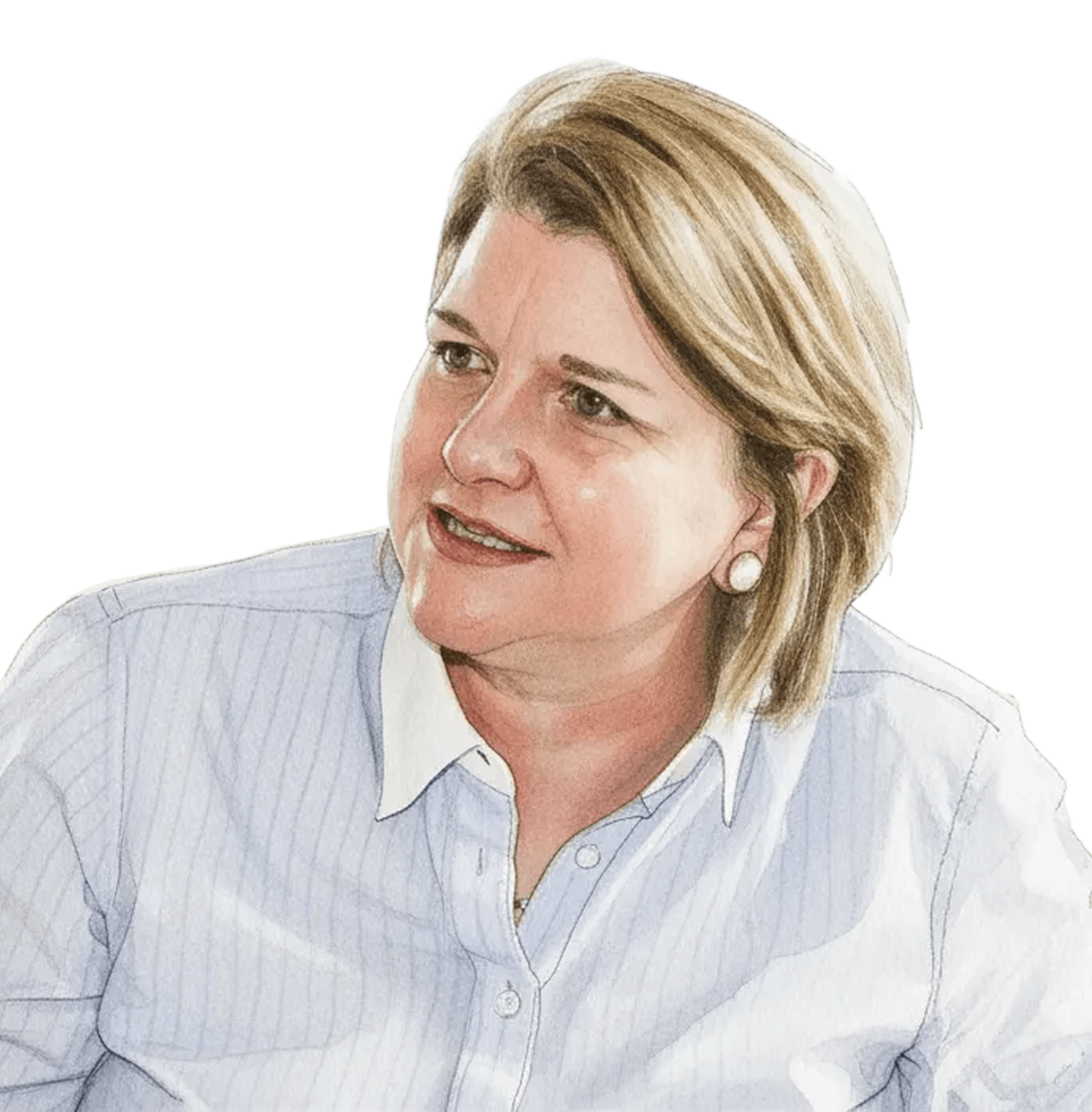
Building a new city may seem outrageously audacious but it's part of what will make national renewal real. And if it's done with genuine partnership and a focus on people and place, it could transform the opportunities for today's and tomorrow's new generations.”

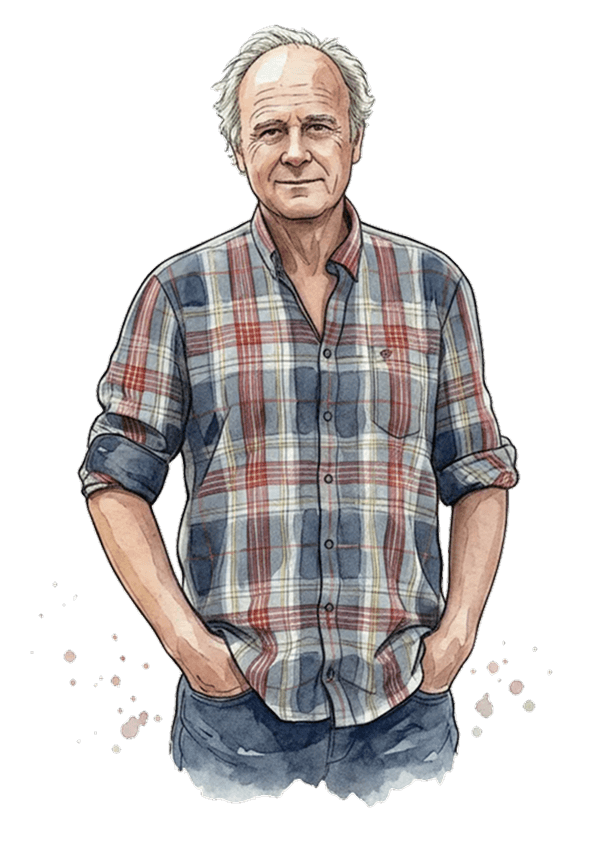
The UK desperately needs new housing, new ideas, and catalysts for growth. Forest City is a bold attempt to bring those together in an area of huge economic potential. If we are serious about getting on the right economic track we need to get serious about Forest City, and other innovative projects which will support growth and prosperity.”

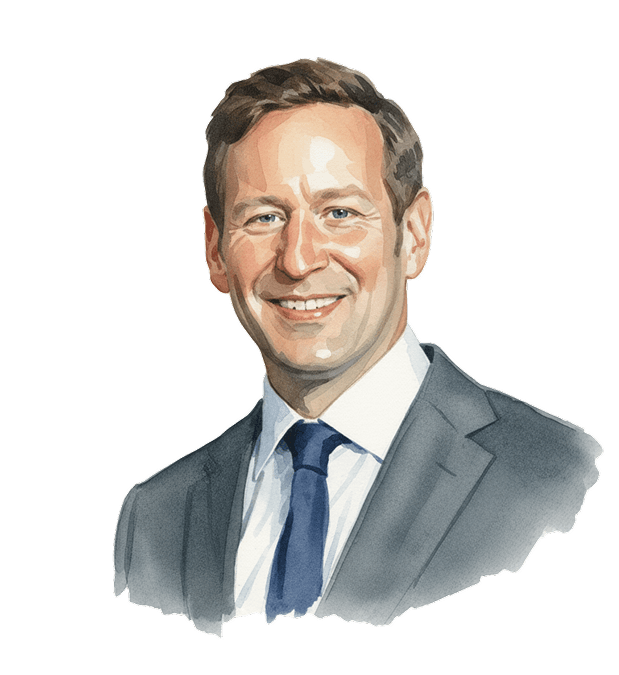
The UK needs far more houses. They need to be in the right places… The area around Cambridge is such a place. Stanford University has powered the economy of the entire San Francisco Bay area, and to some extent the US as a whole, only because university spin outs could find space for commercial labs, and because workers could find somewhere to live. Forest City will allow Cambridge University to do the same for this area, and make the UK as a whole much better off. And using a Community Land Trust means that build out rates can be rapid — exactly as they were in the UK in the Industrial Revolution. Let's make this happen.”

Forest City will be a magnificent template for future settlements at home with nature and technology. It will restate the UK's pre-eminence in urban planning and placemaking and deliver affordable homes, extraordinary careers and unique leisure landscapes. If this were not enough, it will provide a fundamental building block for new skills in design and construction industries and boost the growth of knowledge and creative economies.”




Frequently Asked Questions
Where exactly will it be built?
Forest City will be built east of Cambridge, on around 45,000 acres of land between Haverhill and Newmarket. Haverhill sits right at the edge of it and becomes the gateway to the new city.
The exact boundaries are being refined as part of the detailed masterplanning now underway, and will be examined publicly through the Government's Strategic Planning process.
A detailed map of the proposed area is available in the full report.
How do I get one of the £350k 4-bed homes?
Homes aren't being allocated yet — we're still in the planning phase, years before the first home is built. The best thing you can do now is register your interest, so we can let you know the moment things progress.
A brand-new, energy-efficient 4-bed home in Forest City is designed to cost around £350k — as close to cost-price as we can make it. That's possible because a Community Land Trust owns the land beneath each home, keeping prices permanently affordable rather than letting them be flipped for profit.
What happens to the villages and farms on the land?
No one's home needs to be destroyed. Existing villages like Cowlinge, Great Thurlow and Withersfield are protected — surrounded by trees and supported in keeping their own identity, becoming villages within a city, much like Hampstead in London or Grantchester in Cambridge.
On farmland: because a properly planned city fits far more people into a smaller footprint than sprawling village extensions, Forest City would actually save the East of England around 21,500 acres of prime farmland compared with building the same number of homes the usual way.
How can building a city be good for nature?
Forest City includes a planned 12,000-acre nature reserve — nearly five times the size of Richmond Park and more than three times the size of Knepp. Existing woodland, ancient hedgerows and woodland soil are preserved; lost ponds and wetlands are restored; and we hope to bring back species this landscape lost.
Unlike the vague biodiversity promises attached to most developments, these standards are legally enforceable through Nature Covenants agreed with Natural England — so we can be held to account in law if we miss them.
Who pays for it?
Planning costs around £250m, funded entirely by private investors. If the project is never approved, they lose their money — not the taxpayer.
Homes pay for themselves as they're built. The £~45bn for big infrastructure — railway, reservoir, hospitals, tram network and energy — is borrowed by the city itself and repaid over decades from the city's own revenues. This is the standard model for large-scale infrastructure projects.
Learn More
Detailed Plans
Download the full feasibility study with comprehensive details about the vision, planning, infrastructure, and implementation strategy for Britain’s next great city.
Download the report →About
Britain stopped believing the future could be better than the past. We’re here to prove that wrong. Learn about our vision for Britain’s first new city in 50 years—a forest city of nearly 1 million people, merging the best ideas from across the political spectrum.
Read About Us →The Pledge
Add your name to the thousands of people calling on Britain to build its next great city. Read the pledge, then sign it in under a minute.
Read & Sign the Pledge →